
Definition of the Olive Tree
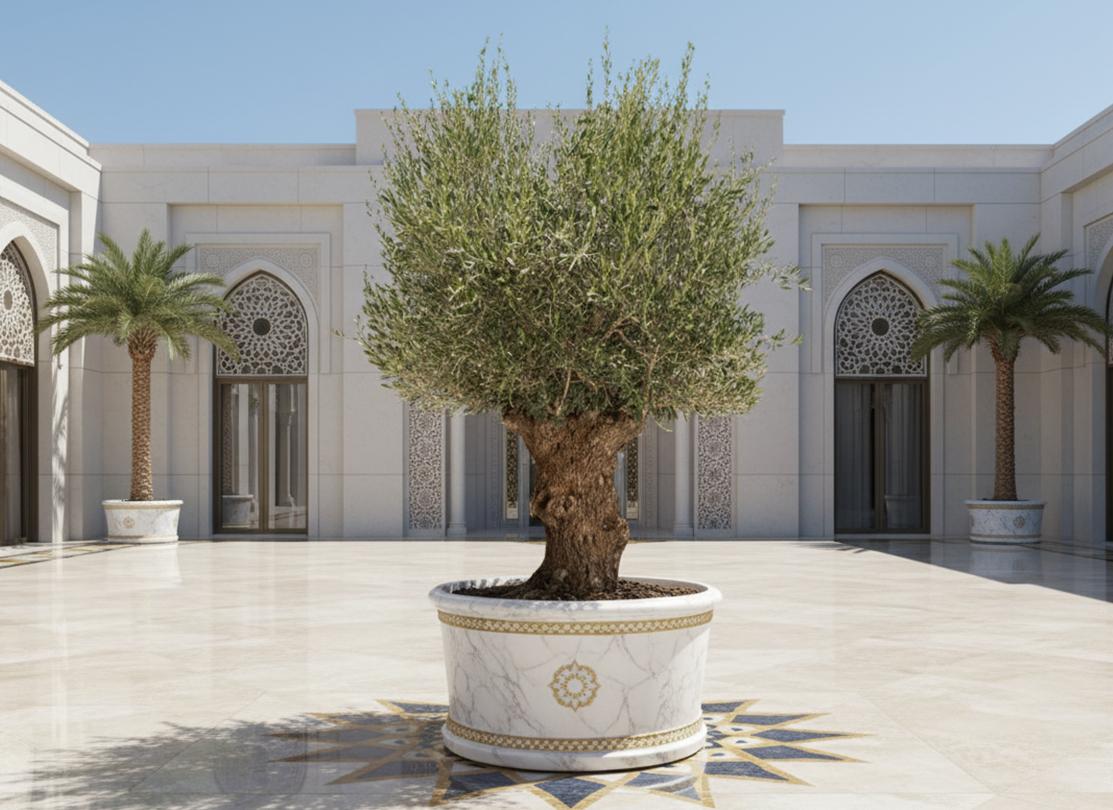
The olive tree is an evergreen tree belonging to the Oleaceae family. It is
distinguished by its long lifespan, which may extend for hundreds of years. Its
leaves are silvery-green in color, and its fruits are known as olives, from
which olive oil—famous for its many benefits—is extracted. The olive tree
thrives in temperate regions, especially in the Mediterranean basin.
Characteristics of the Olive Tree
·
It tolerates drought and
harsh climatic conditions.
·
It has a long lifespan and
can remain productive for many years.
·
It requires relatively
little water compared to other fruit-bearing trees.
·
It adapts well to different
types of soil.
Benefits of the Olive Tree
·
Olive oil is rich in
healthy fats that support heart health.
·
It contains antioxidants
that help strengthen the immune system.
·
It contributes to reducing
inflammation and improving digestion.
·
It is widely used in
culinary, medicinal, and cosmetic applications.
·
Olive fruits are a source
of essential vitamins and minerals.
The Heritage of the Olive Tree
The olive tree has been closely tied to the land and humanity for thousands
of years and has always symbolized authenticity and resilience. It has formed
an essential part of the agricultural and economic heritage of the Arab world,
passed down from generation to generation, reflecting a deep connection to the
land and roots.