
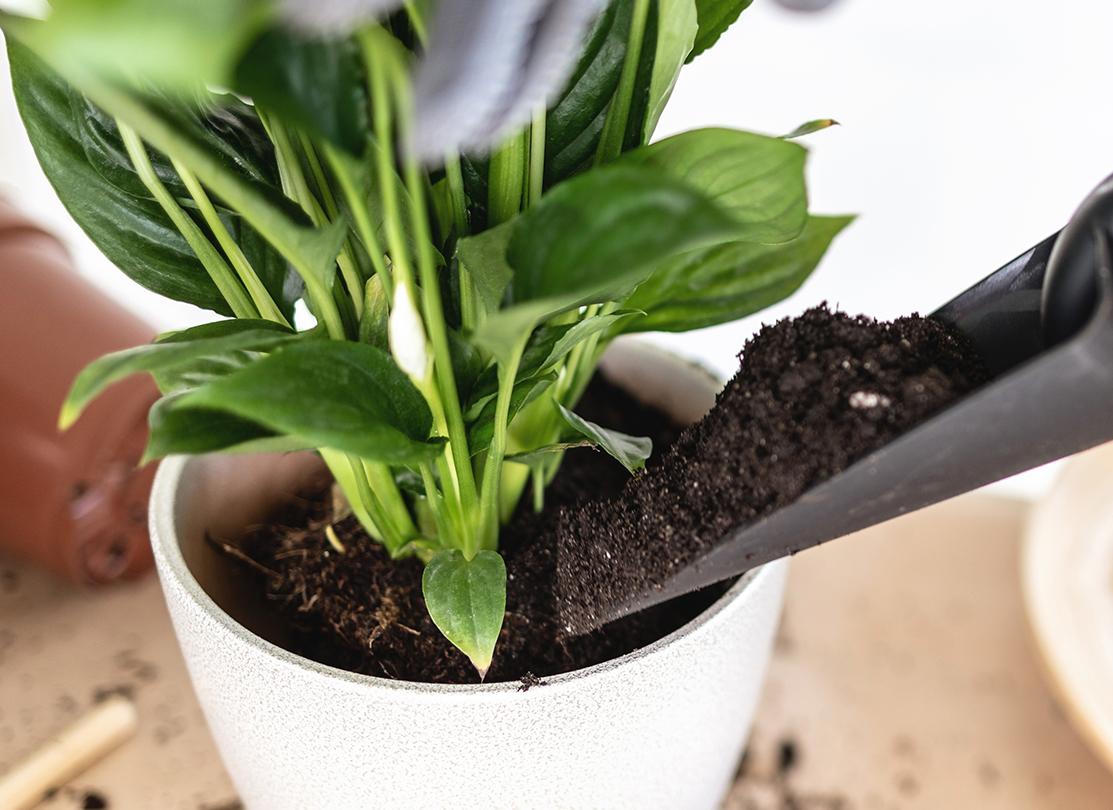
Why Is Soil So Important?
Soil is more than just a base that holds the plant in place. It is the primary source of water, air, and nutrients. High-quality soil helps to:
• Promote strong and healthy root development
• Ensure proper drainage and prevent water buildup
• Improve air circulation around the roots
• Support long-term, sustainable plant growth
Common Types of Plant Soil
Clay Soil
Holds moisture for extended periods and is suitable for plants that prefer constant moisture. However, poor drainage may lead to root rot.
Sandy Soil
Lightweight and fast-draining, making it ideal for plants that do not tolerate excess water. It often requires regular fertilization.
Loamy Soil (Balanced Soil)
A well-balanced mix of sand, clay, and organic matter. It is considered the best choice for most plants due to its excellent drainage and moisture retention.
Peat Moss
Light and moisture-retentive, it improves soil aeration and is commonly used in commercial soil mixes.
Coco Peat
A natural and sustainable alternative to peat moss. It retains moisture while allowing proper drainage, making it ideal for indoor plants and home gardening.
Perlite
A lightweight volcanic material added to soil to enhance drainage and aeration. It is especially beneficial for plants sensitive to overwatering.
Vermiculite
Helps retain moisture and nutrients and is often used in seed-starting mixes and for young plants.
Compost
Rich in organic matter, compost improves soil fertility and structure. It is usually mixed with other soil types rather than used alone.
Choosing Soil Based on Plant Type
Indoor Plants
Use light, well-aerated soil with good drainage. Ready-made indoor plant mixes are usually the most convenient option.
Flowering Plants
These plants benefit from nutrient-rich soil that supports healthy growth and abundant blooms.
Succulents and Cacti
They require fast-draining soil to prevent root rot. Adding sand or perlite improves drainage significantly.
Outdoor Plants and Garden Beds
Loamy soil enriched with organic compost provides the best foundation for outdoor plants.
Key Elements of Good Soil
When selecting soil, make sure it includes:
• Organic matter such as compost
• Efficient drainage
• Proper root aeration
• Low salt content and freedom from pests
Helpful Tips Before Buying Soil
• Always check the soil description to ensure it suits your plant’s needs
• Avoid soil that is overly heavy or has an unpleasant smell
• Purchase soil from a reliable supplier
• Improve soil quality by adding perlite or vermiculite when necessary
Choosing the right soil is the foundation of healthy, thriving plants. By understanding your plant’s specific needs and selecting suitable soil, you will notice a visible improvement in growth and vitality. Give your plants the right start, and they will reward you with lasting beauty.