

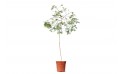
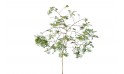






Physical Appearance
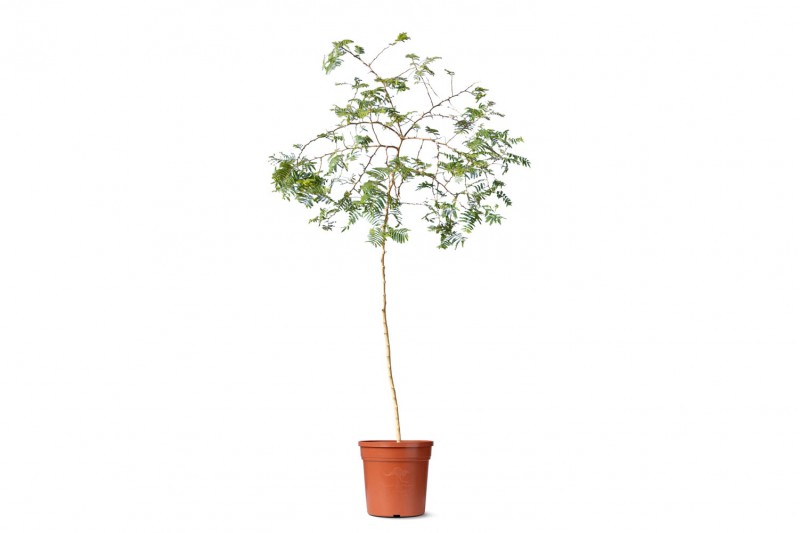
Structure: A medium-sized tree, typically reaching 5 to 15 meters in height, with a wide, umbrella-shaped canopy that provides excellent shade.
Trunk: Features a rugged, grayish-brown bark.
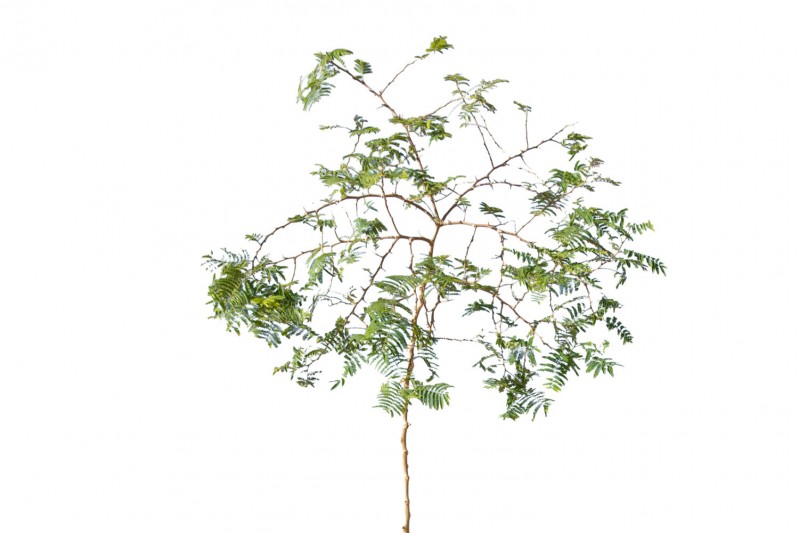
Branches: May have small thorns (especially when young), though it is generally less thorny than other Prosopis species.
Leaves: Fine, feathery, bipinnate leaves that are light green in color.
Flowers and Fruit
Flowers: Small, creamy-white or pale yellow flowers that grow in long, cylindrical spikes (catkins). They are a great source of nectar for bees.
Pods: Long, flattened seed pods (10–20 cm) that turn pale yellow when ripe. They are rich in sugar and protein, often used as flour or animal feed.
Key Characteristics
Drought Tolerance: It has an incredibly deep root system that reaches underground water tables, making it highly resistant to heat and dry climates.
Soil: Very adaptable; it can grow in poor soils and is highly salt-tolerant.
Benefits:
Soil Improvement: Fixes nitrogen in the ground, enriching the soil.
Timber: Produces hard, durable wood used for high-quality furniture and flooring.
Ecological: Acts as an effective windbreak and prevents soil erosion.
Product images, including their size and growth stage, are approximate and for display purposes only
-copy-6764-thumb-480x320.jpg "Olive Tree - 4.0-4.5 Mtr XL 500L")
-min-3803-thumb-480x320.jpg "Bougainvillea Hybrid Pink (With stick)")
-5694-thumb-480x320.jpg "Pennisetum setaceum")